For retailers and e-commerce businesses, peak season logistics has become a marathon rather than a sprint. What once centred on a few days of intense sales around Black Friday and the following Cyber Monday has now expanded into Black Week and Black Month, followed by the Christmas shopping season and the returns that arrive in late December and January.
Managing this extended period of demand takes more than additional warehouse capacity. It requires early planning, flexibility, and close collaboration between retailers and their logistics partners to maintain service quality and keep costs under control.
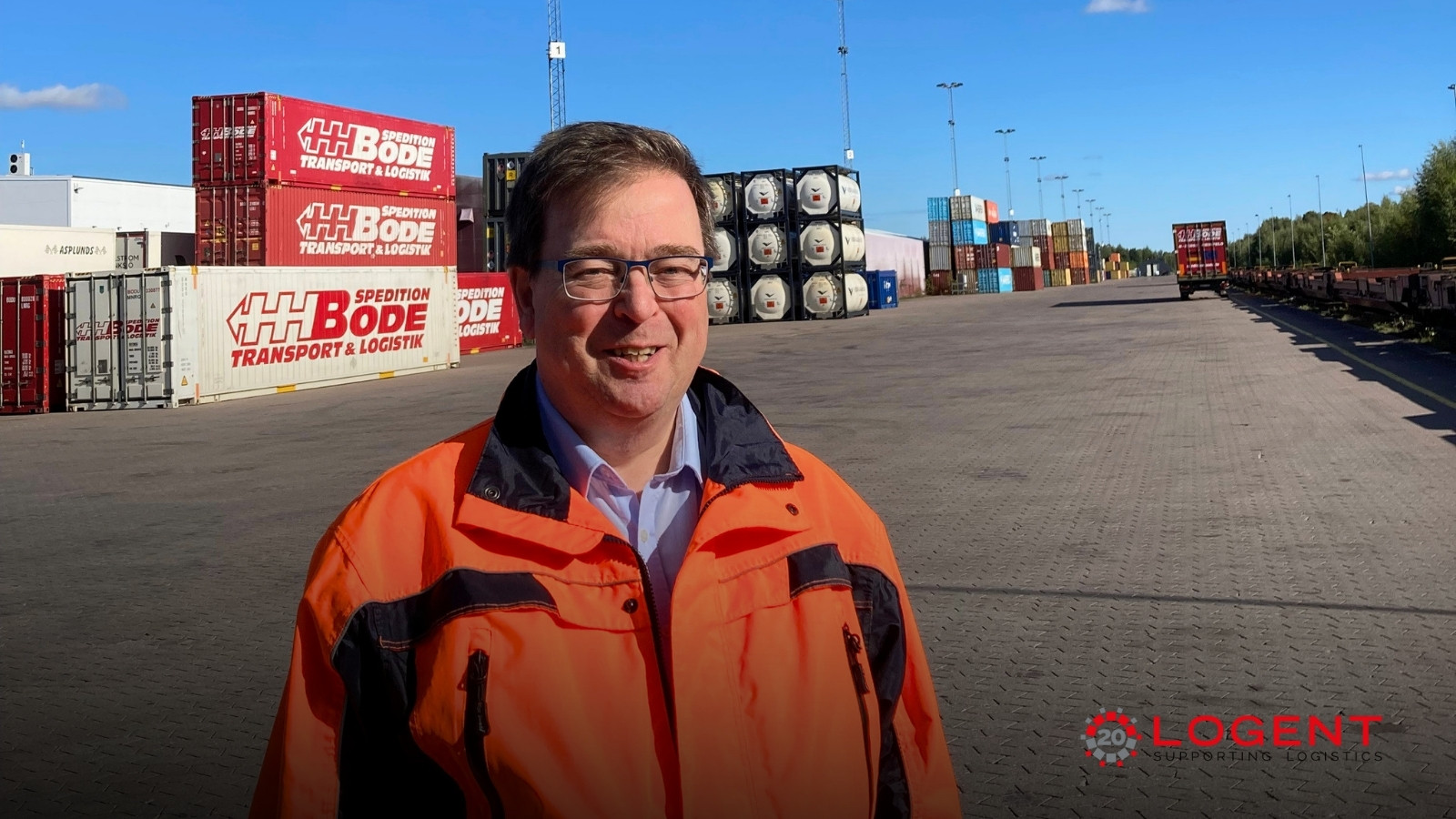
We spoke with Oskar Hedström, COO Benelux Operations at Logent, to explore how retailers and logistics providers can prepare for the challenges of peak seasons, the challenges they face and what sets successful operations apart. Drawing on around a decade of hands-on experience, he shares practical insights and lessons learned from managing peak-season logistics.
How Black Friday has changed over the past decade
Over the past decade, the pace and complexity of peak season logistics have increased significantly. Growing order volumes, faster delivery expectations and increasingly unpredictable demand have placed new demands on retailers and their logistics partners. Success today requires greater flexibility, careful planning and the ability to respond quickly to changing situations.
“What used to be Black Friday with a few days of extremely high volumes has evolved into Black Week or even Black Month.”
According to Hedström, competition between retailers has played a major role in extending the peak season. As some businesses began launching their campaigns earlier, others followed to avoid losing customers.
Over the years, both retailers and consumers have adapted. Businesses have become better at setting realistic delivery expectations and communicating them clearly, while consumers are generally more understanding of longer delivery times during busy shopping periods

Scaling up and down as demand changes
While a short sales spike can be managed by temporarily stretching an operation, several weeks of elevated demand require a more sustainable approach. The challenge is not simply handling higher volumes but doing so consistently and efficiently without compromising service quality.
A successful peak is not only measured by how many orders are shipped on time but also by the cost of delivering that service. Excessive overtime, additional temporary staffing and declining productivity can quickly turn a successful operational performance into a financially challenging period. The objective should always be to balance service quality, operational flexibility and profitability.
Flexibility is a key factor. If order volumes exceed forecasts by 20%, how quickly can additional capacity be made available? And if demand falls short, how efficiently can operations be scaled down? This requires flexibility in staffing, warehouse operations and transport capacity.
While flexibility allows operations to respond to short-term fluctuations in demand, scalability ensures they can also accommodate longer-term growth efficiently. Flexibility is particularly important for managing short-term demand peaks, while scalability supports long-term growth through investments in automation, infrastructure and operational capacity. The goal is to accommodate changing volumes without losing control over operations, service quality or costs.
“It doesn’t make sense to invest heavily in additional capacity for just one peak period. Investments need to be sustainable and useful throughout the rest of the year.”
Peak-season readiness starts long before Black Friday
In larger logistics operations, peak-season planning should begin well before summer. By September, retailers and logistics partners should have aligned on expected volumes, staffing requirements, transport capacity and contingency plans. The final weeks before Black Friday should focus on testing and fine-tuning the operation rather than developing the plan from scratch.
Rather than relying on a single forecast, retailers and logistics providers should prepare for different scenarios, such as demand reaching 80%, 100% or even 150% of the forecast. Each scenario should be connected to clear operational actions, including staffing adjustments, additional shifts, warehouse capacity and transport arrangements. This allows decisions to be made quickly when actual demand differs from expectations.
“For me, the key is transparency. We don’t expect customers to provide perfect forecasts, but we do need open communication about expected sales, campaigns and potential changes.”
Preparation also involves recruiting and training staff, reviewing warehouse processes, securing transport capacity and stress-testing operations well in advance. Small inefficiencies quickly grow at peak volumes. Under normal conditions, a productivity loss of 5 to 10% may be manageable, but during peak season the same loss can create a backlog that is extremely difficult to recover from. That is why small operational issues should be resolved before the peak, so the operation enters the season in a stable state.
“If you discover a capacity problem in November, it’s already too late.”
When marketing campaigns meet logistics reality
“Peak periods don’t necessarily create problems; they often expose issues that already exist within the organisation.”
That is why spotting problems early is one of the key advantages of working with an experienced logistics partner. Growing backlogs, declining productivity, recruitment delays or uncertainty around transport capacity can all be early signs that operations may struggle during peak season.
Data is essential for identifying operational risks before they affect service levels. Monitoring order intake against forecasts, productivity per labour hour, backlog development and carrier performance provides early warning signals. These indicators allow logistics providers to take corrective action before relatively small deviations develop into major operational challenges.
Experience across different customers and industries adds another valuable perspective. An experienced logistics partner can draw on lessons learned from previous peak seasons to challenge assumptions, anticipate potential bottlenecks and prepare for unexpected situations. This practical insight helps retailers prepare for uncertainty and make more confident decisions ahead of the peak season.
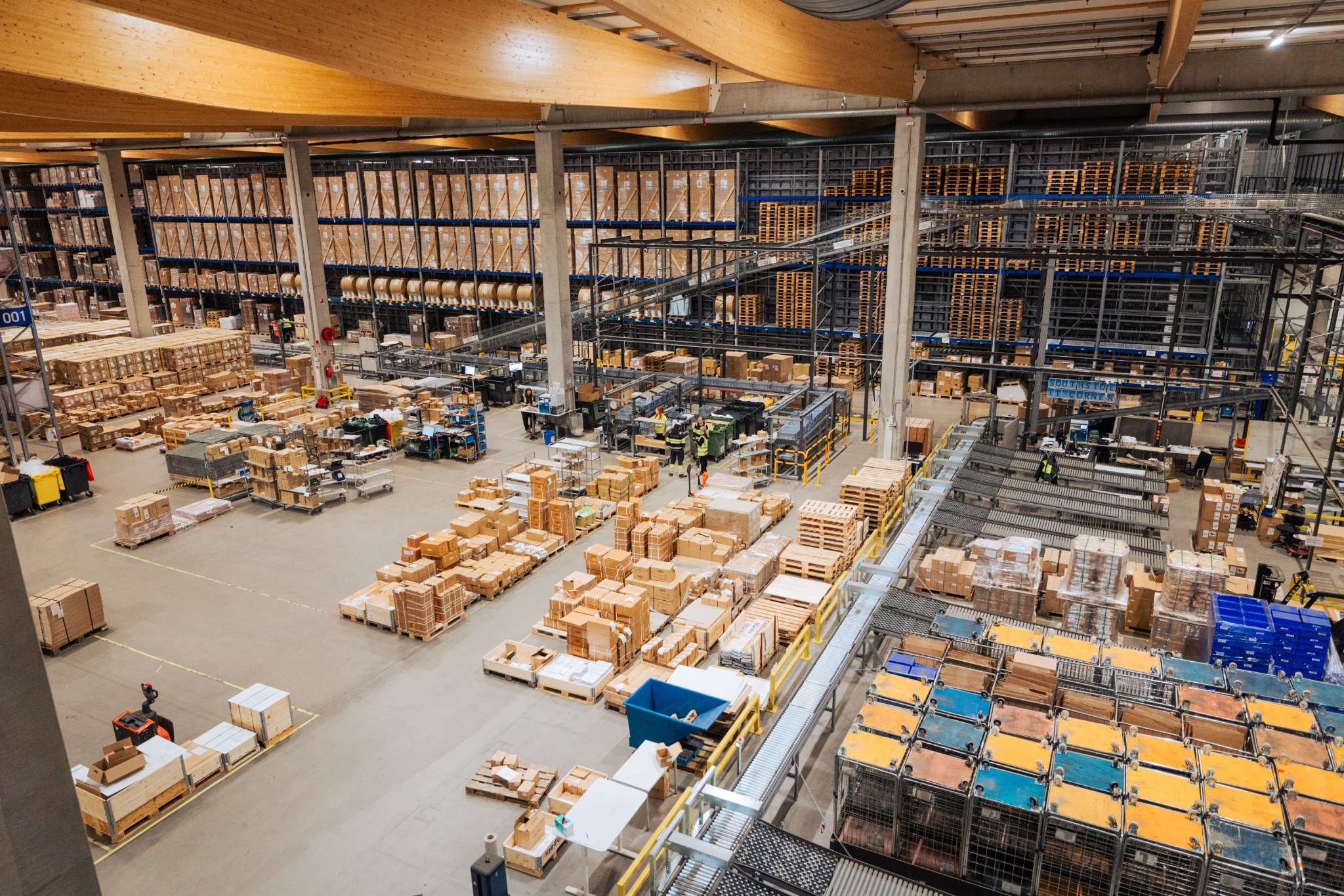
A multi-client operation offers an important advantage during peak periods. When customers experience different demand patterns, a logistics provider can, where capacity and training allow, reallocate resources, adjust staffing and balance workloads between operations. This provides additional flexibility and helps customers manage volume fluctuations without having to maintain excess capacity throughout the year.
Every peak season brings lessons for the next
Peak season doesn’t end when Christmas sales slow down. As returns arrive in late December and January, they can create just as much work as the sales peak itself. For retailers, this means that returns handling needs to be part of peak-season planning from the outset.
Once the season is over, retailers and their logistics partners should review performance together, looking beyond order volumes to customer experience, operational efficiency and financial results. The lessons learned provide a valuable starting point for the next peak season, helping retailers refine their plans, anticipate challenges and prepare for different scenarios.
“My key advice is to start preparing early. Rather than waiting for a perfect forecast, plan for different scenarios and be ready to adapt to changes in demand.”